 Outfits
Borrowed, loved, returned.
By Andrea Hills
Scandinavian street style is often reduced to a small collection of images: a bicycle, a generous coat, a bright knit, a practical shoe.
 WORDS BYAndrea HillsOctober 21, 2026
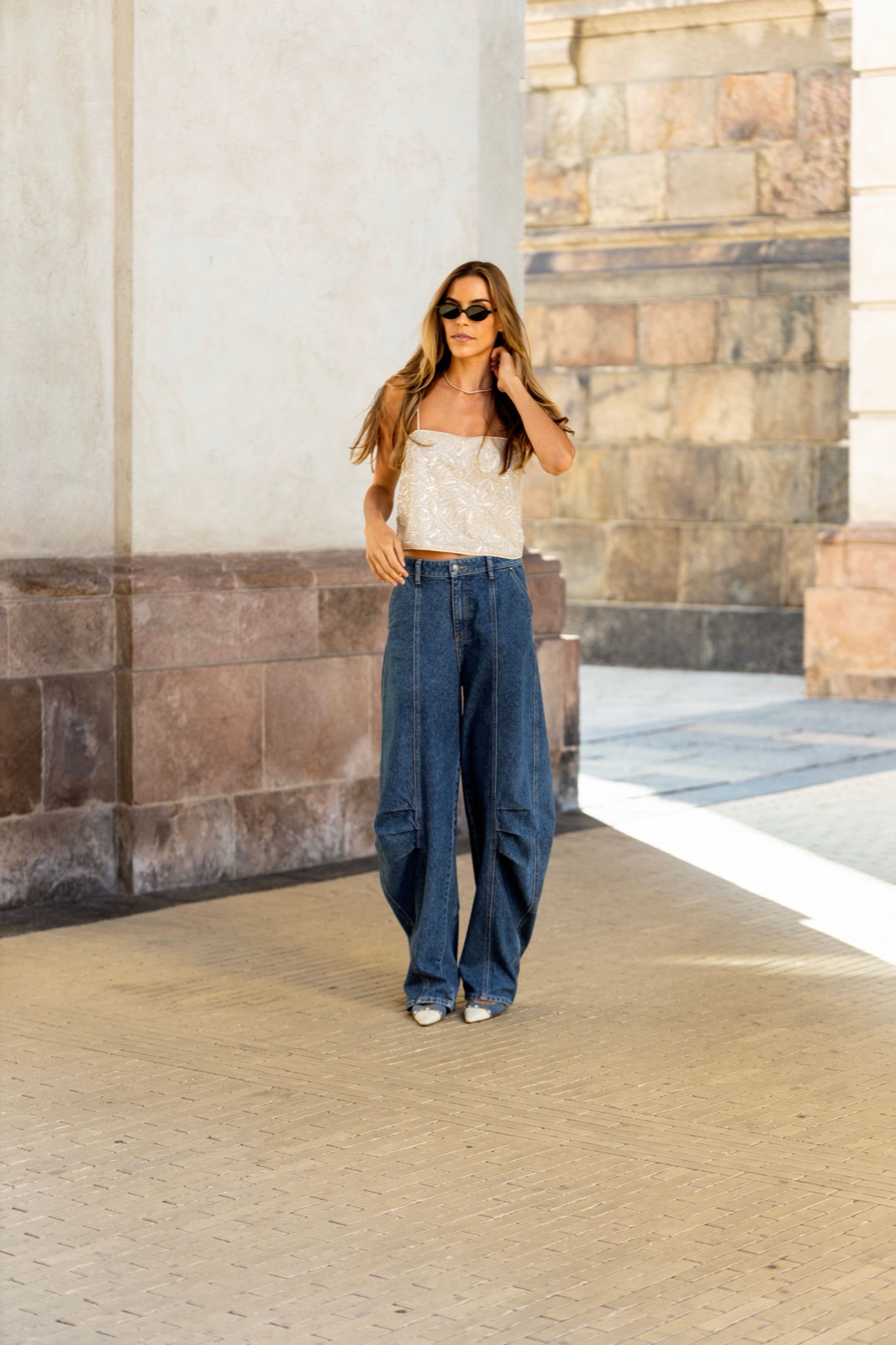
Scandinavian street style is often reduced to a small collection of images: a bicycle, a generous coat, a bright knit, a practical shoe. Those images can be appealing, but they are not a complete account of how people dress across a region. The more useful question is what design ideas you can take from the photographs without turning them into a uniform. Look for relationships between function, proportion and playfulness, then adapt those relationships to your own surroundings.
Vogue's retrospective of Copenhagen street style provides a view across different years rather than a single seasonal snapshot. That longer perspective encourages a better kind of borrowing. Instead of chasing an exact outfit, notice the ideas you keep returning to. A comfortable shape, an unexpected colour or a useful layer can remain interesting after the particular item in the photograph has disappeared from the current conversation.
An outfit designed around movement needs to be judged while moving. Try the clothes with the activities you actually perform: walking, climbing stairs, carrying a bag or sitting for a long journey. A photograph can make an expansive sleeve or long hem look wonderful while concealing the practical compromises involved. Keep the visual idea, but choose a version that allows the day to happen without constant adjustment.
This does not mean every garment must look technical or athletic. A skirt can allow movement, a tailored jacket can feel comfortable and a simple shoe can still have a strong shape. The useful principle is to make function part of the original decision rather than a problem solved afterwards. When the practical requirements are clear, you have more freedom to experiment with colour and proportion without sacrificing the things that make an outfit usable.
Loose clothes can feel intentional when their different volumes have a relationship. A wide trouser with a shorter jacket creates one kind of balance; a long coat over a narrow base creates another. If both top and bottom are generous, a visible neckline, wrist or waist can help the eye understand the shape. These are options for arranging the outfit, not rules that require every loose garment to be corrected by something tight.
Try changing the length before changing the size. A slightly shorter layer may resolve an awkward proportion more effectively than a smaller one. Look at where hems meet and where fabric gathers when you sit. An outfit should not depend on a single carefully held pose. If you enjoy the shape from several angles and during movement, you are more likely to keep wearing it after the initial experiment.

One bright piece can be enough to alter a wardrobe of familiar neutrals. A coloured knit beneath a plain coat or a distinctive bag with ordinary jeans creates a clear point of interest. You do not need to reproduce the complete palette of a street-style photograph. Choose the colour you actually like, then see how it behaves beside the clothes already available to you.
If stronger colour feels unfamiliar, begin with something removable, such as a scarf. If it feels natural, let a larger garment carry it. The amount of colour can change from day to day without indicating a change in personal style. A coherent wardrobe is not one in which every outfit has the same volume or brightness. It is one whose choices make sense to the person wearing them.
A convincing photograph taken in Copenhagen does not tell you whether the same layers will suit your city, building or commute. Begin with your own temperature changes. Do you move between a cold street and a warm office? Do you spend long periods outdoors? Are you carrying the outer layer for much of the day? These questions determine which layers are useful and which become unnecessary weight.
Check that each visible stage of the outfit works. If you remove the coat, do you still like what remains? Can you take off the knit without losing the intended shape entirely? Does the bag have space for the scarf? Layering becomes practical when it can change with the day. A fixed arrangement that only looks right with every piece in place may be less versatile than it first appears.
A practical shoe can change the mood of a dress or tailored outfit without making the whole look casual. The contrast is often more interesting when the shoe is already familiar to you. Try your usual trainer with a skirt or a sturdy flat with wider trousers. Assess the hem and the amount of visible sock, because those small transitions influence whether the combination feels considered or accidental.
Comfort should remain specific rather than assumed. A shoe described as practical still needs to fit your foot and suit the route you walk. Try it with the socks you intend to wear and do not let an attractive reference image override obvious discomfort. The point of borrowing a functional style idea is to make the outfit easier to live in. If the footwear makes the day harder, the translation has missed its purpose.
A useful layer does not need to belong to one seasonal identity. A shirt can work alone, under knitwear or open over another top. A skirt can change with shoes and appropriate layers. Before buying a new version of an idea, test whether an existing garment can perform the role. The result may be less exact than the reference, but that difference is often what makes the outfit personal.
Keep care and storage manageable so that the clothes remain available to wear. Follow the garment's instructions, address small repairs and store pieces in ways appropriate to their materials. No style principle is useful if the item you want is always waiting to be cleaned or fixed. The practical side of a wardrobe supports the visual side, even though it rarely appears in the photographs that first inspire us.
Avoid treating a regional label as a guarantee of taste, quality or sustainability. A particular look does not establish how a garment was made, and a city does not have one shared wardrobe. Use the reference as a collection of possibilities. You might borrow the ease of a silhouette, the confidence of a colour pairing or the way a practical object becomes part of the outfit rather than something hidden from view.
The ideas that last are usually those that connect to your own habits. Perhaps you discover that a generous coat makes dressing simpler, that a bright scarf lifts familiar clothes or that you prefer a skirt with a comfortable shoe. Keep those discoveries without needing to label every outfit. A useful influence expands your choices. It should leave you more able to dress like yourself, not more occupied with resembling a place.
WINTER WARDROBE
Compare these current collections with the shapes and layers you already wear.
COS is a useful starting point when comparing a fine merino layer with a more substantial crew-neck or funnel-neck knit. Check the composition and care instructions on the individual item before choosing.
For an outfit built around texture, browse Barbour’s crew-neck, roll-neck and Fair Isle knitwear. Keep the rest of the outfit simple if the knit has a busy pattern, and compare fibre composition and care instructions before buying.
OUR WRITERSAndrea HillsRead more from Andrea Hills on Bloom Circle.
All stories by Andrea Hills ↗